
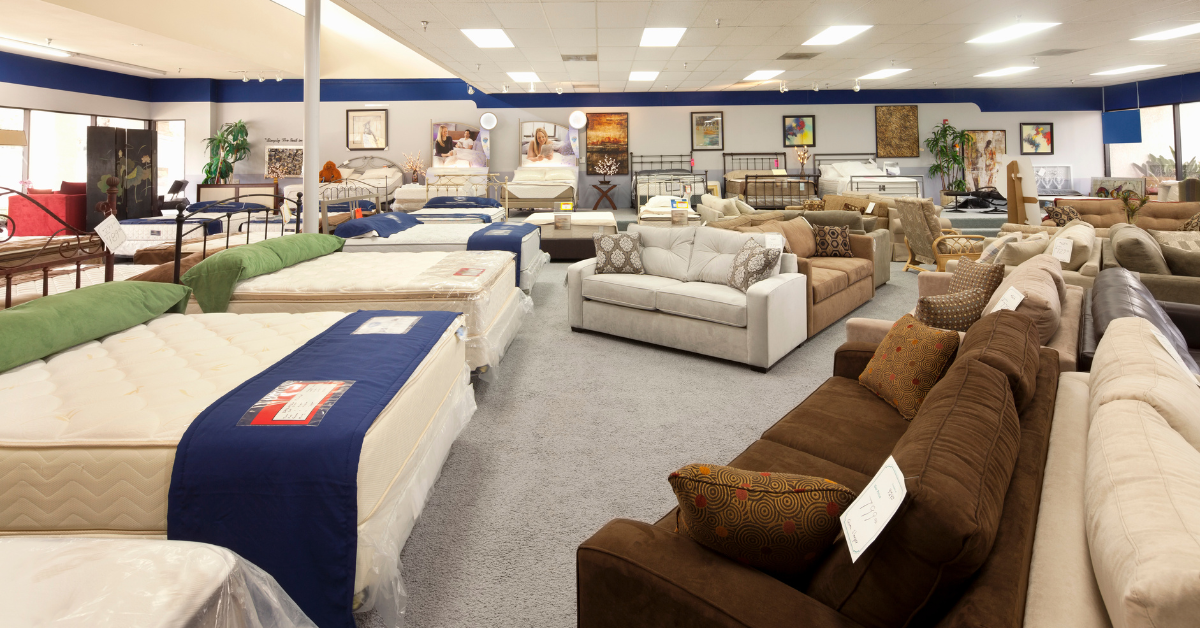
Sofa for Office or Home Spaces That Balance Comfort and Function
A Sofa for office or home is no longer just a seating option; it has become a central element of modern interior planning. In both professional and residential environments, sofas serve multiple purposes, from providing comfort to defining the character of a space. Whether placed in a reception area, executive lounge, living room, or home office, the right sofa enhances usability while reinforcing visual harmony.
As lifestyles and work patterns evolve, furniture must adapt to blended spaces where relaxation and productivity coexist. A well-designed sofa supports posture, encourages conversation, and creates a welcoming atmosphere. Choosing the right sofa involves understanding layout, materials, comfort levels, and long-term value rather than focusing only on appearance.
The Growing Importance of Sofas in Office and Home Settings
In offices, sofas are increasingly used beyond waiting areas. Modern workplaces emphasize collaboration, informal meetings, and employee well-being. A comfortable sofa encourages relaxed discussions and creative thinking, making it a valuable asset in lounges, meeting corners, and executive offices.
At home, sofas anchor living spaces and often serve as the primary seating solution. With the rise of remote work, home sofas are also used for reading, planning, and casual work sessions. A sofa designed for both office and home use must therefore strike a balance between comfort, durability, and professional appeal.
Comfort as a Core Requirement
Comfort is the defining factor when selecting a sofa for office or home use. Proper cushioning supports the body without sinking excessively, ensuring that users remain comfortable even during extended seating. Seat depth and backrest angle play a crucial role in posture support and relaxation.
In office environments, sofas should provide upright comfort suitable for conversations and short meetings. At home, slightly deeper seating may be preferred for relaxation. A versatile sofa design accommodates both needs, making it suitable for hybrid spaces that transition between work and leisure throughout the day.
Material Choices and Their Practical Impact
The choice of upholstery significantly affects durability and maintenance. Leather and leatherette sofas are popular in offices due to their professional appearance and ease of cleaning. Fabric sofas, on the other hand, offer warmth and variety, making them ideal for home settings where comfort and texture matter.
Frame construction is equally important. Solid wood or metal frames provide long-term stability, while high-density foam cushions retain shape and comfort over time. Selecting quality materials ensures that the sofa withstands regular use without compromising appearance or support.
Design Aesthetics and Space Harmony
A sofa contributes significantly to the visual identity of a room. In offices, clean lines and neutral colors create a professional atmosphere that aligns with corporate branding. In homes, design choices may reflect personal style, ranging from minimalist to classic or contemporary.
The scale of the sofa should match the size of the room. Oversized sofas can overwhelm small spaces, while compact designs fit seamlessly into apartments and offices with limited floor area. Thoughtful design selection enhances both functionality and aesthetics.
Sofa Placement and Space Optimization
Proper placement maximizes the value of a sofa for office or home use. In offices, sofas are often positioned in reception areas or collaborative zones to encourage interaction. Placing them near natural light enhances comfort and visual appeal.
At home, sofas typically anchor living rooms or multifunctional spaces. Positioning them strategically can define zones within open layouts, separating work, relaxation, and entertainment areas. This flexibility makes sofas a key tool in efficient space planning.
Durability and Daily Use Considerations
Office and home sofas experience different usage patterns, but durability is essential in both cases. Office sofas must withstand frequent use by multiple users, while home sofas often support daily family activities. Strong joints, quality upholstery, and resilient cushioning ensure long-term performance.
Maintenance requirements should also be considered. Easy-to-clean materials reduce upkeep effort, especially in high-traffic areas. Investing in durable construction minimizes replacement costs and preserves comfort over time.
Versatility Across Multiple Environments
One of the main advantages of a sofa for office or home is its versatility. The same sofa design can function effectively in a corporate lounge, home office, or living room. This adaptability is particularly useful for professionals who work from home and want consistent comfort and style.

Sofas that blend neutral design with ergonomic comfort transition easily between environments. This makes them a practical choice for users seeking furniture that supports changing needs without requiring frequent upgrades.
Comparing Sofas for Office and Residential Use
While office sofas prioritize structure and durability, residential sofas often emphasize softness and relaxation. A balanced sofa design integrates elements from both categories, offering firm support with inviting comfort. This combination suits hybrid environments where spaces serve multiple functions.
Choosing such a sofa eliminates the need for separate furniture pieces, saving space and cost. It also creates visual continuity between work and living areas, enhancing overall interior coherence.
Cost Efficiency and Long-Term Value
A quality sofa represents a significant investment, but long-term value depends on durability, comfort, and adaptability. Cheaper sofas may lose shape quickly or require frequent maintenance, leading to higher costs over time.
Selecting a well-constructed sofa designed for both office and home use ensures better return on investment. It remains functional across different settings and usage patterns, making it a cost-effective solution for modern lifestyles.
How to Choose the Right Sofa for Your Space
Choosing the right sofa begins with assessing space, purpose, and usage frequency. Measure available area carefully to ensure proper fit and circulation. Consider who will use the sofa and how often, as this influences material and cushioning choices.
Exploring a reliable collection of Sofa for office or home options allows buyers to compare styles, sizes, and finishes suited to different environments. This approach supports informed decision-making based on practical needs rather than trends alone.
Productivity, Comfort, and User Experience
In offices, comfortable seating contributes to positive user experience. Clients and employees feel welcomed and valued when seating is thoughtfully selected. Sofas encourage informal interactions that can improve communication and collaboration.
At home, a comfortable sofa supports relaxation and work-life balance. It provides a space to unwind, read, or reflect, contributing to overall well-being. This dual impact highlights the importance of selecting the right sofa design.
Emerging Trends in Sofa Design
Modern sofa designs increasingly focus on modularity and flexibility. Modular sofas allow users to rearrange sections according to space requirements. Sustainable materials and eco-friendly upholstery are also gaining popularity as environmental awareness grows.
Design trends favor simplicity, neutral palettes, and multifunctionality. Sofas are becoming lighter in appearance while maintaining structural strength, making them suitable for diverse interior styles.
Making a Confident Purchase Decision
A confident sofa purchase is based on understanding functional needs, design preferences, and long-term expectations. Prioritizing comfort, material quality, and adaptability ensures satisfaction over time.
Reviewing a curated range of Sofa for office or home selections helps buyers identify models that align with both professional and personal spaces. A thoughtful choice supports comfort, efficiency, and visual balance.
Enhancing Everyday Spaces with the Right Sofa
A sofa for office or home use plays a vital role in shaping how spaces are experienced. It supports comfort, encourages interaction, and enhances interior aesthetics. With the right selection, a sofa becomes more than furniture; it becomes part of daily life and work routines.
In an era where flexibility defines modern living, choosing a sofa that adapts effortlessly to different environments ensures lasting value. The right sofa elevates both productivity and relaxation, making it an essential element of contemporary interiors.