
Water Shut Off Valve Guide for Reliable Home Plumbing Protection
A water shut off valve is one of the most important yet overlooked components in a home plumbing system. It controls the flow of water to fixtures, appliances, or the entire house, allowing homeowners to stop leaks, perform maintenance, and prevent costly water damage. Without a properly functioning shut off valve, even a minor plumbing issue can quickly turn into a major disaster. Understanding how these valves work, where they are installed, and which type is best for your needs is essential for maintaining a safe and efficient home water system.
In modern homes, water shut off valves are no longer just basic mechanical parts. They now come in various designs, materials, and technologies that improve durability and ease of use. From traditional manual valves to advanced smart shut off systems, choosing the right option can significantly impact both convenience and long-term plumbing reliability. This guide explains everything you need to know to make an informed decision.
Understanding the Purpose of a Water Shut Off Valve
The primary role of a water shut off valve is to stop or regulate water flow within a plumbing system. These valves allow homeowners or plumbers to isolate specific sections of piping without shutting down the entire water supply. This is especially useful during repairs, appliance replacement, or emergencies such as burst pipes. When installed correctly, a shut off valve provides immediate control over water flow, reducing the risk of flooding and structural damage.
In kitchen and bathroom settings, shut off valves are often installed under sinks or behind appliances. This localized control means that if a faucet or dishwasher develops a leak, the water can be stopped instantly without affecting the rest of the house. On a larger scale, a main water shut off valve controls the entire home’s supply and is critical during major plumbing failures or renovations.
Types of Water Shut Off Valves Commonly Used
There are several types of water shut off valves, each designed for specific applications and levels of control. Ball valves are among the most popular due to their durability and ease of operation. They use a rotating ball with a hole through the center, allowing water to flow freely when open and stopping it completely when closed. These valves are known for reliability and long service life.
Gate valves are another traditional option, using a sliding gate mechanism to control water flow. While they were common in older homes, they are less favored today because they can corrode and fail over time. Angle stop valves and straight stop valves are frequently used under sinks and toilets, providing localized shut off capability. Each type has advantages depending on installation location and usage frequency.
Materials Used in Water Shut Off Valves
The material of a water shut off valve directly affects its durability, corrosion resistance, and overall performance. Brass is widely considered the best material for residential plumbing valves. It resists corrosion, handles high pressure well, and lasts for many years with minimal maintenance. Stainless steel valves offer similar benefits and are often used in more demanding environments.
Plastic shut off valves, typically made from PVC or CPVC, are lightweight and cost-effective. They are commonly used in irrigation systems or low-pressure applications but may not be ideal for main household water lines. Choosing the right material ensures that the valve performs reliably under your home’s water pressure and environmental conditions.
Where Water Shut Off Valves Are Installed in a Home
Water shut off valves are strategically placed throughout a home to provide maximum control and safety. The main shut off valve is usually located near where the water line enters the house, such as in a basement, crawl space, or utility room. Knowing the exact location of this valve is crucial during emergencies when water must be stopped immediately.
Secondary shut off valves are installed near individual fixtures and appliances. Under-sink valves control faucets, while dedicated valves serve dishwashers, washing machines, and water heaters. This layout allows homeowners to isolate specific fixtures without disrupting the entire plumbing system. Proper placement and accessibility are key factors in effective water management.
Why Every Kitchen Needs a Reliable Shut Off Valve
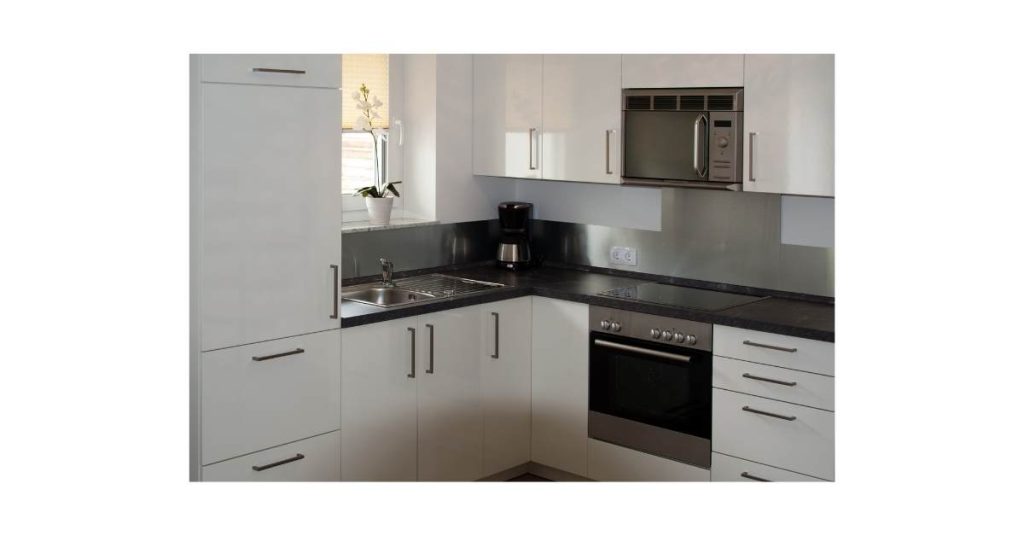
The kitchen is one of the most water-intensive areas in a home, making a dependable shut off valve especially important. Sinks, dishwashers, and refrigerators with water dispensers all rely on consistent water supply lines. A leak in any of these connections can cause cabinet damage, mold growth, and costly repairs if not addressed quickly.
Installing a high-quality water shut off valve under the kitchen sink allows for immediate control during leaks or appliance maintenance. Many homeowners upgrade to modern valves designed for smooth operation and long-term reliability. For those researching high-performing options, this detailed guide on the Water Shut Off Valve provides valuable insights into choosing the right valve for kitchen sink applications.
Signs That a Water Shut Off Valve Needs Replacement
Over time, even well-made shut off valves can wear out or fail. One common sign of trouble is difficulty turning the valve handle. If a valve feels stiff, stuck, or requires excessive force, internal corrosion or mineral buildup may be present. This can prevent the valve from closing completely during an emergency.
Leaks around the valve stem or fittings are another clear indicator that replacement is necessary. Even slow drips can lead to water damage and increased utility bills. In older homes with outdated gate valves, upgrading to modern ball valves is often recommended to improve reliability and ease of use.
Manual vs Smart Water Shut Off Valves
Traditional manual shut off valves require physical operation, which means someone must be present to turn off the water during a leak. While these valves are reliable and cost-effective, they depend on quick human response. Smart water shut off valves offer an advanced alternative by automatically detecting leaks and shutting off the water supply without manual intervention.
Smart valves integrate sensors and connectivity features, allowing homeowners to monitor water usage and receive alerts via mobile apps. Although they are more expensive, the added protection and peace of mind can be worth the investment, especially in homes prone to plumbing issues or vacant properties.
How Water Pressure Affects Valve Performance
Water pressure plays a significant role in how well a shut off valve performs over time. Valves must be rated to handle the pressure levels present in a home’s plumbing system. Excessively high pressure can strain internal components, leading to premature wear or failure. This makes proper valve selection and installation essential.
Pressure-regulating valves are sometimes used alongside shut off valves to maintain safe pressure levels throughout the system. Regular inspections ensure that valves are operating within their designed pressure range. This proactive approach extends the lifespan of plumbing components and reduces the risk of unexpected leaks.
Installation Considerations for Long-Term Reliability
Proper installation is just as important as choosing the right water shut off valve. Valves should be installed in accessible locations to ensure quick operation during emergencies. Using appropriate fittings, thread sealants, and tightening techniques prevents leaks and ensures a secure connection.
Professional installation is often recommended for main shut off valves or complex plumbing configurations. While some under-sink valves can be replaced as a DIY project, incorrect installation can lead to hidden leaks and water damage. Investing in proper installation saves time, money, and stress in the long run.
Maintenance Practices to Extend Valve Lifespan
Regular maintenance helps keep water shut off valves functioning smoothly for years. Periodically turning the valve on and off prevents it from seizing due to mineral buildup. This simple practice ensures that the valve will operate correctly when needed most.
Inspecting valves for signs of corrosion, leaks, or wear allows homeowners to address issues early. In areas with hard water, mineral deposits can accumulate faster, making routine checks even more important. A well-maintained valve is a reliable safeguard against plumbing emergencies.
Choosing the Right Valve for Your Home
Selecting the best water shut off valve depends on several factors, including location, water pressure, material preference, and budget. For main water lines, durable brass or stainless steel ball valves are often the best choice. Under-sink applications benefit from compact angle stop valves designed for easy access.
Homeowners looking to upgrade or replace kitchen sink valves can benefit from expert recommendations and comparisons. This comprehensive resource on the Water Shut Off Valve highlights key features, pros, and considerations to help make an informed decision based on real-world usage.
The Role of Shut Off Valves in Water Damage Prevention
Water damage is one of the most common and expensive issues homeowners face. A functioning shut off valve can mean the difference between a minor repair and extensive restoration. Quick access to a reliable valve allows water flow to be stopped immediately, limiting damage to floors, walls, and personal belongings.
Insurance providers often emphasize the importance of proper plumbing controls, and some even offer incentives for installing advanced shut off systems. By prioritizing valve quality and accessibility, homeowners actively reduce risk and protect their investment.
Future Trends in Water Shut Off Valve Technology
As home automation continues to evolve, water shut off valves are becoming smarter and more integrated. New designs focus on real-time monitoring, leak detection, and automated responses. These advancements aim to reduce water waste and provide homeowners with greater control over their plumbing systems.
Sustainability is also influencing valve design, with manufacturers developing products that minimize leaks and improve efficiency. As technology advances, water shut off valves will continue to play a critical role in modern, resilient home infrastructure.
Final Thoughts on Water Shut Off Valve Importance
A water shut off valve is a small component with a significant impact on home safety and plumbing efficiency. From preventing water damage to simplifying maintenance, the right valve provides control, reliability, and peace of mind. Understanding valve types, materials, installation practices, and maintenance requirements empowers homeowners to make smart decisions.
Whether upgrading an outdated valve or installing a new one, investing in quality and proper setup ensures long-term protection. With the right knowledge and resources, choosing a dependable water shut off valve becomes a straightforward and valuable improvement for any home.