
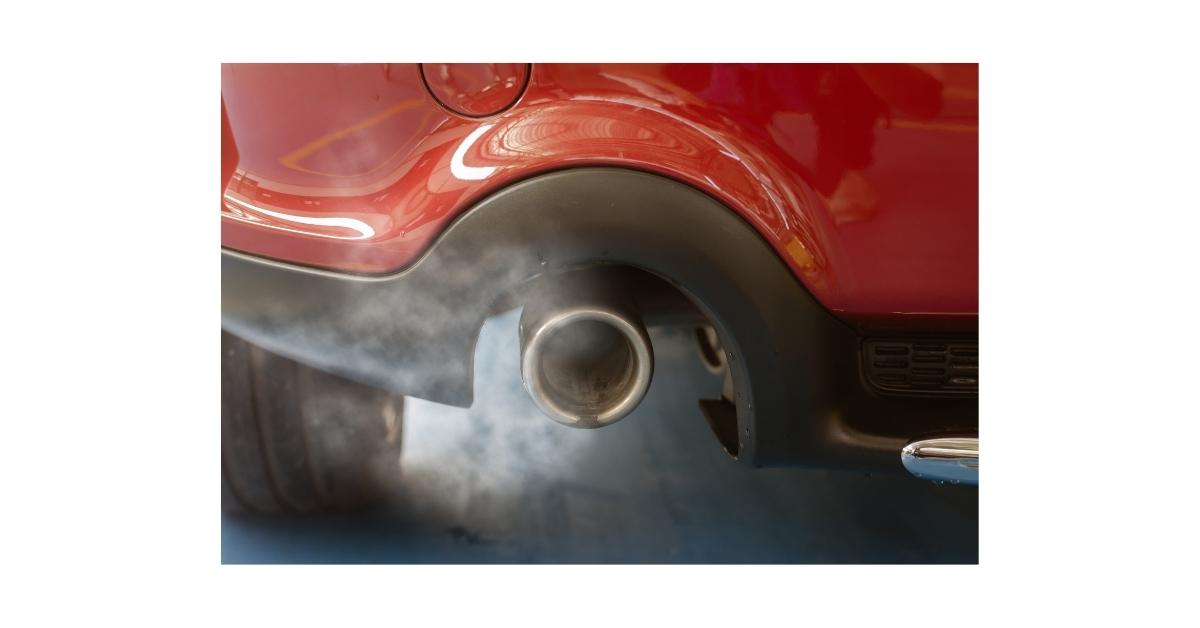
Exhaust System Types: Understanding How Different Systems Impact Your Vehicle
Exhaust system types play a crucial role in how a vehicle performs, sounds, and maintains efficiency over time. From controlling emissions to improving engine breathing, the exhaust setup directly affects driving experience and long-term maintenance costs. Many vehicle owners overlook how selecting the right exhaust configuration can enhance power delivery, fuel economy, and overall reliability. Understanding exhaust system types is essential whether you drive a daily commuter, a performance car, or a heavy-duty vehicle. This guide breaks down the purpose, design, and practical differences between systems so you can make informed decisions based on real-world use rather than marketing claims.
What Defines Different Exhaust System Types
Exhaust system types are defined by layout, component arrangement, material quality, and intended performance goals. While all systems channel exhaust gases away from the engine, the path and restriction level vary significantly. Some designs prioritize noise reduction and emissions compliance, while others aim to maximize airflow and horsepower. The difference often lies in pipe diameter, muffler design, and whether the system replaces factory components partially or entirely. Exploring various Exhaust System Types helps drivers understand why certain setups are better suited for specific engines, driving styles, and regulatory environments.
Single Exhaust Systems and Their Practical Use
Single exhaust systems are the most common configuration found in standard passenger vehicles. They use one exhaust pipe connected to a single muffler and tailpipe. This setup is cost-effective, lightweight, and sufficient for engines with modest power output. Automakers favor single exhaust systems because they balance performance, emissions control, and noise reduction efficiently. For daily driving, a properly designed single exhaust offers reliability without excessive maintenance. However, as engine displacement or horsepower increases, a single exhaust may create backpressure, limiting performance potential and throttle responsiveness under high-load conditions.
Dual Exhaust Systems and Power Distribution
Dual exhaust systems use two exhaust pipes, either from separate exhaust manifolds or split after a single manifold. This design allows exhaust gases to exit more freely, reducing backpressure and improving engine efficiency. Vehicles with V6 or V8 engines often benefit most from dual exhaust setups because each bank of cylinders can expel gases independently. In addition to performance gains, dual exhaust systems often produce a deeper, more aggressive sound. While they may increase cost and weight, the improved airflow can enhance torque, acceleration, and engine longevity when properly engineered.
Cat-Back Exhaust Systems Explained
Cat-back exhaust systems replace all exhaust components from the catalytic converter to the tailpipe. This type is popular among enthusiasts because it improves sound and airflow without interfering with emissions equipment. Cat-back systems are relatively easy to install and often made from stainless steel for durability. By optimizing pipe routing and muffler design, cat-back setups can provide noticeable gains in throttle response and horsepower. Drivers interested in modifying their vehicles while staying emissions-compliant often choose cat-back systems as a balanced upgrade that maintains reliability and legal compliance.
Axle-Back Exhaust Systems for Sound Enhancement
Axle-back exhaust systems replace components from the rear axle to the exhaust tip, typically including the muffler and tailpipe. These systems focus primarily on altering exhaust tone rather than increasing performance. Because they retain most factory piping, axle-back systems are affordable and simple to install. They are ideal for drivers who want a more aggressive or refined exhaust note without major modifications. Performance gains are minimal, but sound quality improvements can significantly enhance driving enjoyment, especially for sports-oriented vehicles.
Header-Back Exhaust Systems and Maximum Flow
Header-back exhaust systems replace everything from the exhaust headers to the tailpipes. This configuration offers the highest potential performance improvement by maximizing exhaust flow and minimizing restriction throughout the entire system. Header-back setups are often used in racing or heavily modified street vehicles. While they deliver substantial horsepower and torque gains, they can be expensive and may require tuning adjustments. Additionally, emissions compliance can be a concern depending on local regulations, making this option more suitable for off-road or track-focused applications.
Performance vs Stock Exhaust System Types
Comparing performance exhaust systems to stock setups highlights key trade-offs between efficiency, sound, and durability. Factory exhaust systems are engineered for quiet operation, low emissions, and long service life. Performance exhaust systems, on the other hand, prioritize airflow and acoustic character. This often results in increased horsepower and a sportier sound but may introduce cabin noise or drone. Understanding different Exhaust System Types allows drivers to choose upgrades that align with their priorities rather than sacrificing comfort or compliance unnecessarily.
Materials Used in Modern Exhaust Systems
The materials used in exhaust system types significantly affect longevity and performance. Aluminized steel is commonly used in factory systems due to its affordability, though it is prone to corrosion over time. Stainless steel offers superior resistance to rust and heat, making it ideal for performance and long-term use. Titanium exhaust systems are lightweight and highly durable but come at a premium cost. Material choice impacts not only lifespan but also heat retention, sound characteristics, and overall system weight, which can influence vehicle handling and efficiency.
Exhaust System Types and Engine Efficiency
Exhaust system design directly affects engine efficiency by regulating exhaust gas flow and scavenging. Efficient systems help remove exhaust gases quickly, allowing fresh air and fuel to enter the combustion chamber more effectively. This process improves power output and fuel economy under certain conditions. Poorly designed or overly restrictive systems can trap exhaust gases, reducing efficiency and increasing engine temperatures. Selecting the correct exhaust system type ensures that airflow matches engine specifications, preventing performance losses and unnecessary mechanical stress.
Sound Characteristics Across Different Exhaust Systems
Sound is one of the most noticeable differences among exhaust system types. Muffler design, pipe diameter, and resonators all influence tone and volume. Chambered mufflers produce a deep, classic sound, while straight-through designs create a louder, sharper exhaust note. Resonators help control drone and smooth out harsh frequencies. Drivers should consider how exhaust sound affects daily driving comfort, long trips, and local noise regulations. Choosing the right system balances auditory appeal with practicality and legal considerations.
Choosing the Right Exhaust System Type
Selecting the appropriate exhaust system type depends on vehicle purpose, engine configuration, and personal preferences. Daily drivers benefit from systems that enhance efficiency without excessive noise. Performance-oriented vehicles may require freer-flowing designs to support power upgrades. Budget, installation complexity, and maintenance requirements should also factor into the decision. By understanding how each exhaust system type functions, vehicle owners can avoid costly mistakes and choose setups that deliver measurable benefits without compromising reliability.
Long-Term Maintenance and Durability Considerations
Exhaust systems are exposed to extreme temperatures, moisture, and road debris, making durability a key concern. Regular inspections help identify leaks, corrosion, or loose components before they cause performance issues. High-quality materials and proper installation extend service life significantly. Some exhaust system types require periodic tightening or replacement of gaskets, especially in performance setups. Investing in a well-designed exhaust system reduces long-term costs and ensures consistent performance throughout the vehicle’s lifespan.
How Exhaust System Types Influence Resale Value
Exhaust modifications can impact a vehicle’s resale value positively or negatively. Tasteful, high-quality exhaust upgrades may appeal to enthusiasts, while overly loud or poorly installed systems can deter buyers. Retaining original components allows owners to revert to stock if needed. Understanding exhaust system types helps drivers make modifications that enhance appeal rather than limit future selling options. A balanced approach ensures performance gains without narrowing the potential buyer market.
The Role of Exhaust Systems in Modern Vehicles
Modern vehicles rely heavily on exhaust systems to meet emissions standards while maintaining performance. Advances in catalytic converters, resonators, and muffler technology have made it possible to balance power and compliance. Different exhaust system types support varying levels of modification and tuning. As engines become more efficient and turbocharged, exhaust design continues to evolve. Staying informed about exhaust system types allows drivers and builders to adapt to changing technologies and regulations effectively.